Dumpster rentals can make large cleanouts, renovations, and construction projects much easier to manage, but getting the best value requires more than simply ordering a container and filling it. The right size, placement, loading method, and disposal plan can affect cost, efficiency, and how smoothly the project moves.
Hagen’s Junk Removal provides dumpster rental options for customers throughout Northern Colorado. By planning ahead, avoiding prohibited materials, and using the available space efficiently, homeowners, contractors, property managers, and businesses can reduce unnecessary delays and make waste removal more manageable.
Key Takeaways
- Choose a dumpster based on estimated debris volume, project type, and material weight.
- Breaking down bulky items can help maximize usable container space.
- Avoid overfilling or placing prohibited materials in the dumpster.
- Position the dumpster where it is accessible without interfering with the project.
- Separate reusable or recyclable items when practical.
- Compare dumpster rental with full-service junk removal before deciding which option fits your project.
When Does a Dumpster Rental Make Sense?
Dumpster rentals work well for projects that generate debris over several hours or days.
Instead of requiring all junk to be ready for removal at once, a dumpster gives you a temporary location where material can be collected as work progresses.
This makes rentals particularly useful for home renovations, garage cleanouts, estate projects, rental property turnovers, roofing or construction work, and larger decluttering projects.
A dumpster may also be more practical when you want to complete the loading yourself.
Customers who prefer a crew to remove everything immediately may benefit more from full-service junk removal. Hagen’s Our Services page can help you compare available options.
Dumpster Rental vs. Full-Service Junk Removal
Both services remove unwanted material, but the work process is different.
With a dumpster rental, the container remains at the property for an agreed period while you load it yourself. Full-service junk removal generally involves a crew arriving and handling the lifting and loading for you.
| Service | Best For | Who Loads the Debris? | Project Timeline |
| Dumpster rental | Ongoing cleanouts and renovations | Customer | Several hours or days |
| Full-service junk removal | Quick removals and bulky items | Removal crew | Usually one scheduled visit |
| Commercial removal | Business or property projects | Depends on service | Project-specific |
| Cleanout service | Larger property clearing | Removal crew | Scheduled cleanout |
The better option depends on how much material you have, how quickly you want it gone, and whether you want to handle the loading yourself.
Estimate Your Waste Before Renting
One of the most important decisions is selecting an appropriate dumpster size.
Choosing a container that is too small can result in needing another rental or pickup. Choosing a much larger container than necessary may mean paying for unused capacity.
Before booking, walk through the project and identify the types of waste you expect to generate.
Consider whether the debris will consist mostly of lightweight household clutter, bulky furniture, renovation materials, yard debris, or heavier construction waste.
Volume and weight both matter.
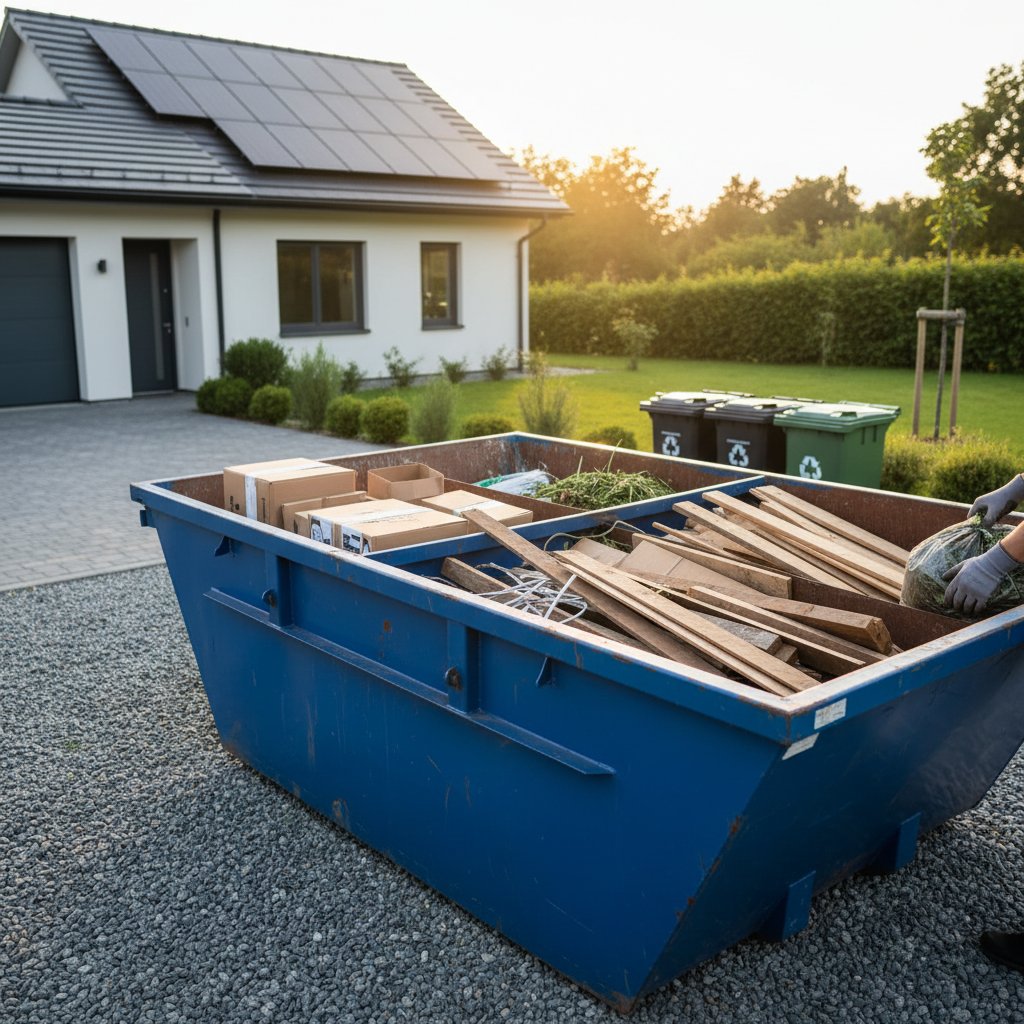
A pile of lightweight boxes may occupy a lot of space while weighing relatively little. Dense materials can reach weight limits before the dumpster appears completely full.
Providing accurate project information when requesting a quote helps the rental provider recommend an appropriate option.
How to Load a Dumpster Efficiently
The way materials are placed in the dumpster can significantly affect how much usable space remains.
Start by placing flatter, heavier items toward the bottom when appropriate. This can create a stable base and reduce large empty gaps.
Bulky items should be broken down whenever it is safe and practical.
Furniture, cardboard boxes, shelving, and similar materials often occupy far more space when left intact.
Instead of randomly throwing debris into the container, place items strategically as the project progresses.
This does not require arranging every piece perfectly. The goal is simply to avoid large pockets of unused space.
Break Down Bulky Materials
Large objects are one of the most common reasons a dumpster fills faster than expected.
A cabinet, table, cardboard box, or lightweight shelving unit may contain substantial empty space within its original shape.
Breaking these items into smaller components can make loading more efficient.
Remove drawers from furniture, flatten cardboard, and dismantle simple items when doing so can be completed safely.
Do not attempt to dismantle anything that could expose electrical components, hazardous materials, sharp objects, or structural risks without appropriate knowledge.
For particularly difficult items, a full-service removal option may be safer and more convenient.
Keep Weight Distribution in Mind
Space is not the only consideration when loading a dumpster.
Heavy debris should be distributed reasonably rather than concentrated entirely in one area. This can help create a more stable load and make pickup easier.
Construction projects may generate dense materials that become heavy quickly.
Customers should discuss concrete, dirt, roofing materials, masonry, or other particularly heavy debris before placing them in a rental container.
The correct handling requirements can vary according to the dumpster and disposal method.
Never assume that an item is acceptable simply because it physically fits in the container.
Avoid Overfilling the Dumpster
A dumpster should not be loaded beyond the permitted fill level.
Material extending above the sides can create transportation hazards and may prevent the dumpster from being safely removed.
Overloading can also lead to additional handling or charges depending on the rental terms.
Plan ahead as the container fills.
If you notice early that the project is generating substantially more debris than expected, contact the provider rather than continuing to pile material above the safe loading limit.
This is another reason accurate volume estimates are valuable before the project begins.
Know What Should Not Go in the Dumpster
Not every unwanted item belongs in a standard dumpster.
Hazardous, regulated, flammable, or otherwise restricted materials may require specialized handling.
Before loading unusual waste, confirm whether it is acceptable.
| Material Type | What to Do |
| General household debris | Confirm it is accepted |
| Furniture | Usually suitable if accepted by provider |
| Construction debris | Discuss type and weight beforehand |
| Paints or chemicals | Confirm disposal requirements |
| Batteries | Ask about approved disposal options |
| Hazardous materials | Use an appropriate specialized service |
The exact restrictions depend on local regulations, disposal facilities, and the service provider.
Asking before loading questionable materials is easier than removing them from a full dumpster later.
Match the Rental Period to Your Project
A dumpster is most useful when its rental period matches the actual pace of the project.
Renting too early can leave the container sitting unused. Scheduling pickup too soon may force the project team to rush or leave debris behind.
Consider when demolition, cleaning, or renovation work will actually begin.
For multi-stage projects, the dumpster may be most useful during the part of the schedule that generates the most debris.
Customers should discuss rental duration when booking so expectations are clear before delivery.
Hagen’s Book Now page provides a starting point for arranging a rental or discussing project needs.
Making Dumpster Rentals More Sustainable
Efficient disposal also means avoiding unnecessary waste when possible.
Before placing everything into the dumpster, separate items that are still usable.
Furniture, tools, household goods, and other materials in reasonable condition may have donation or reuse options.
Certain materials may also be recyclable depending on local facilities.
Hagen’s Junk Removal emphasizes responsible handling, recycling, and donation where practical as part of its approach to junk removal. You can learn more about the company through Our Story.
Recycling availability depends on the type and condition of material, so customers should avoid assuming that every object placed into a dumpster will automatically be recycled.
Separating clearly reusable materials before loading gives them a better chance of being diverted from disposal.
Ways to Get More Value from Your Rental
The best way to control dumpster rental costs is to plan before delivery.
Estimate debris realistically, select the appropriate size, and understand any material restrictions.
Keep the container accessible and load it efficiently rather than allowing bulky objects to consume unnecessary space.
Avoid putting materials into the dumpster that may need to be removed later.
You should also compare the cost and effort of a rental with professional junk removal.
If you only have a few large items, paying for a full dumpster may not provide the best value. If you are remodeling several rooms over multiple days, a rental may be more convenient.
Common Dumpster Rental Mistakes
Several avoidable mistakes can make waste removal more expensive or inconvenient.
One is underestimating how much debris a project will generate.
Another is failing to consider weight. Dense construction debris may reach limits even when the dumpster still appears to have room.
Poor placement can also create extra work.
Finally, customers sometimes load prohibited items without confirming disposal rules first.
A short conversation about the project before renting can prevent most of these problems.
Frequently Asked Questions
How do I choose the right dumpster size?
Estimate both the volume and type of waste your project will generate. Consider bulky items, construction materials, and whether the debris will be particularly heavy.
Providing these details to Hagen’s Junk Removal can help determine which rental option fits the project.
What items can I put in a dumpster rental?
Many household and project materials may be accepted, but restrictions can apply to hazardous, regulated, or unusually heavy waste. Confirm questionable items before putting them into the dumpster.
How can I fit more material into my dumpster?
Break down safe-to-dismantle bulky items, flatten cardboard, place materials strategically, and minimize large empty gaps.
Do not exceed the permitted fill level or weight restrictions in an attempt to fit additional material.
Should I rent a dumpster or use full-service junk removal?
A dumpster works well when you want to load debris gradually throughout a project. Full-service junk removal may be better when you want a crew to handle the lifting and remove everything during a scheduled visit.
Make Your Dumpster Rental Work Harder for Your Project
Efficient dumpster use starts before the container arrives.
Choosing the right size, understanding accepted materials, planning the drop location, and loading strategically can help you avoid wasted space and unnecessary complications.
Separating reusable or recyclable items before disposal can also make the process more responsible while keeping the project organized.
For cleanouts, renovations, construction work, and other projects throughout Northern Colorado, Hagen’s Junk Removal provides waste removal options designed for different timelines and project sizes.
Book Now to discuss your project and find a dumpster rental option that fits your needs.